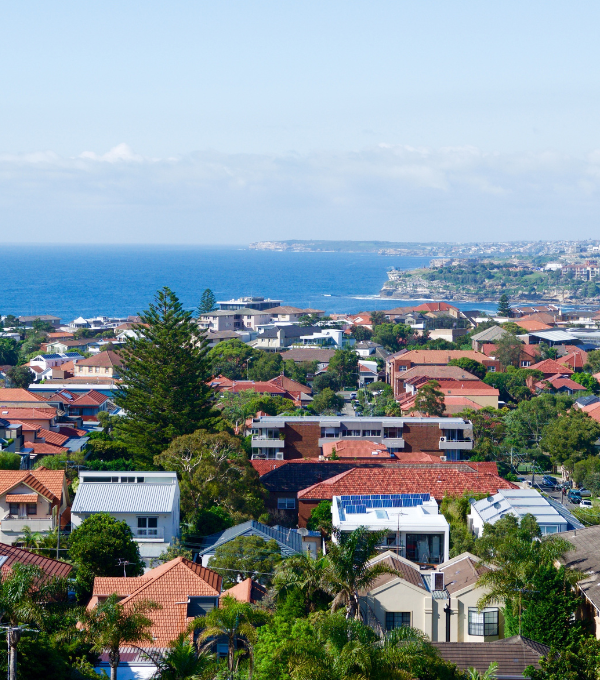
The Australian property market is shifting, not slowing.
The market isn’t slowing, it’s shifting, and for investors, understanding that shift is the difference between reacting to headlines and acting on opportunity. The latest data shows a market that is still growing, but with clear changes in pace, location, and behaviour. When you step back, the picture becomes clearer. This is not a market in decline. It is a market adjusting.
Growth Is Continuing, But Momentum Is Evolving
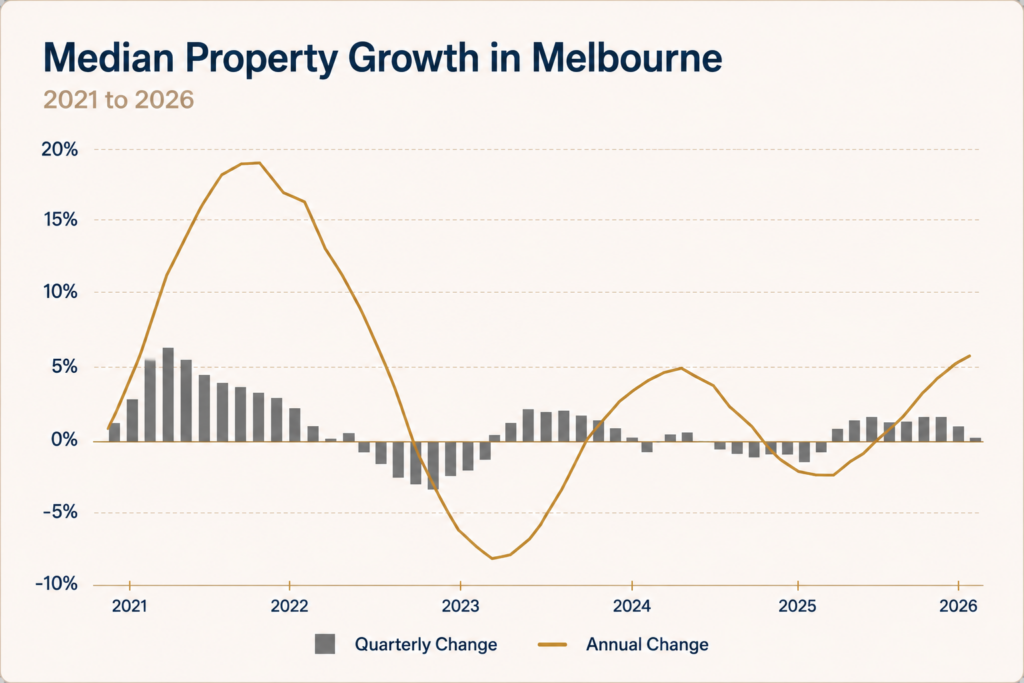
The market is still growing, just at a more measured pace. National dwelling values have increased by 9.9% over the past 12 months, while quarterly growth has slowed to 2.1%.
This is not a downturn, it is a normalisation. That shift creates a different environment for investors. There is less urgency driven by rapid price increases, more opportunity to assess quality, and greater ability to negotiate. Fast growth rewards speed. Slower growth rewards strategy.
The Market is Moving Through Recovery.
Property markets do not move in straight lines, they move in cycles, and right now we are seeing recovery play out across different parts of Australia.
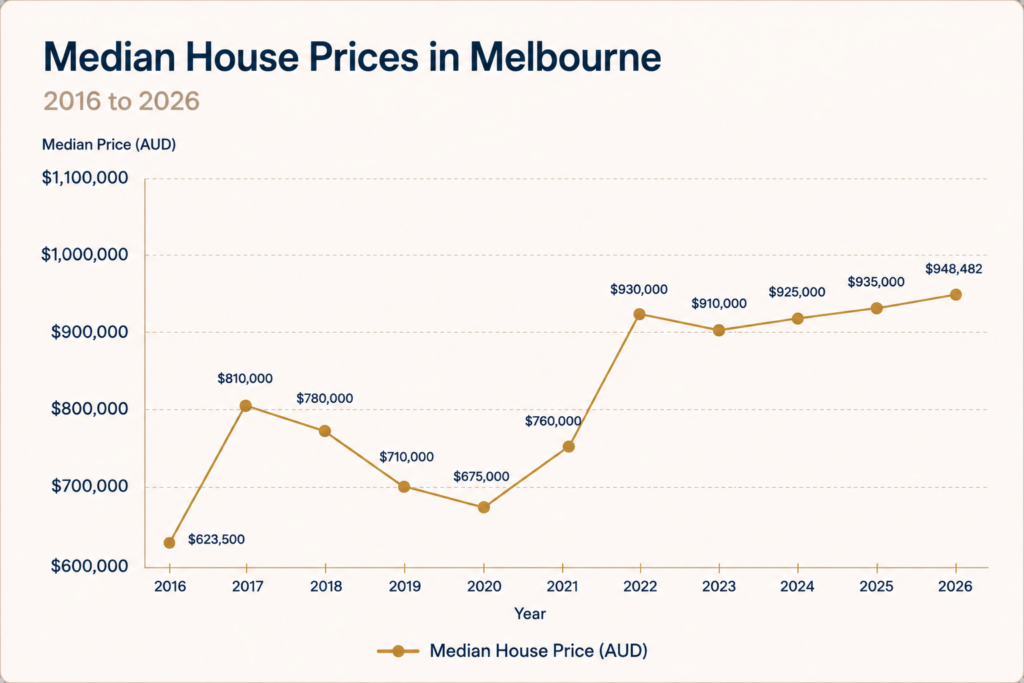
Recent data highlights strong annual growth in markets like Perth at 22.0%, Brisbane at 17.3%, and Adelaide at 10.9%, while larger markets like Sydney and Melbourne are showing more subdued or stabilising conditions. This is not a contradiction. It is how recovery works.
Markets move through phases, from slowdown to stabilisation, then into renewed growth, and each location progresses through that cycle at a different time. Recovery is often the most strategic point, where prices have stabilised, demand begins to return, and growth drivers start to strengthen.
This creates a window where investors can position themselves before momentum fully builds. The goal is not to chase growth. It is to identify where it is likely to emerge next.
Supply Remains Tight, Supporting Prices
Low supply continues to underpin the market, with total listings remaining around 14% lower than this time last year.
At the same time, sales activity has increased by 5.5% year on year, properties are selling relatively quickly, and vendor discounting remains low. This combination matters. When buyer activity increases while available stock remains constrained, competition persists and price pressure continues, even in a higher interest rate environment. Supply drives pressure. Pressure supports growth.
The Rental Market Remains Strong
Rental conditions remain tight, and population growth is a key driver behind it. Vacancy rates are sitting around 1.5%, near record lows, while national rents have increased by 5.5% over the past year. Demand continues to outpace available housing.
A major contributor is net overseas migration, particularly into Melbourne, which remains a primary entry point for new arrivals. As population increases, so does the demand for housing, and this demand is typically felt in the rental market first. This creates a more stable holding environment for investors, with consistent tenant demand, ongoing rental growth, and reduced vacancy risk in well-positioned assets. Cash flow may not drive the decision, but it strengthens the position.
Investor Activity Is Increasing
Investors are returning to the market with intent. Investment lending has increased significantly, with annual growth of over 30%, and investors now represent close to 40% of total lending, well above long-term averages.
This is a strong signal that experienced investors are not waiting for perfect conditions. They are re-entering the market, positioning ahead of the next growth phase, and taking advantage of current conditions. Smart investors do not move when it feels comfortable. They move when it makes sense.
Interest Rates Are Higher, But Returns Are Holding
Higher interest rates have changed the environment, but they have not removed opportunity.
As of April 2026, the cash rate has risen to 4.10%, placing upward pressure on borrowing costs and investor sentiment. This has reduced borrowing capacity for some buyers, slowed the pace of price growth, and increased the importance of strategic structuring.
At the same time, rental yields have strengthened in many markets, with rental growth helping to close the gap between income and interest costs. In practical terms, rental income is covering a greater portion of holding costs, partially offsetting the impact of higher rates, and making well-selected assets more sustainable to hold.
This creates a more balanced environment, where investors need to be more deliberate, asset selection matters more, and strategy plays a central role in performance. Rates influence behaviour, Returns support the investment.
What This Means for Property Investors
This is no longer a passive market, it is a strategic one. The current conditions reward clear planning, location selection, structured finance, and long-term thinking. They do not reward speculation, emotional decisions, or following the crowd. The investors who perform best are not reacting to headlines. They are executing a strategy grounded in data and aligned to long-term property investment goals.
How Prospera Helps You Navigate This Market
At Prospera, we help investors turn insight into action. We focus on understanding your position, identifying where opportunity actually sits, and building a strategy aligned to long-term outcomes. From there, we guide you through each step to ensure every decision contributes to a broader plan.
Because while the market will always change, a well-structured strategy allows you to move forward with confidence.
Ready to Move Forward with Clarity?
The market rewards those who act with intention, and the difference between hesitation and progress is having a clear strategy behind you.
If you are ready to take the next step, we can help you map out what that looks like.
Book a discovery call to build a strategy that fits your goals.